
Of everything you could be
reading right now, this is the
one that stopped you.
Because the room keeps saying
the transformation is on track.
And deep down, you know the
story is getting harder to believe.
A BOARD BRIEF
The Reality That
Does Not Reach the Boardroom
The board can only govern what the system
allows it to see.
The confidence that arrives fully formed
For board members, transformation oversight often begins with a clear narrative.
Management presents the strategy, investment thesis, roadmap, milestones, risks, and expected value. On paper, the program appears under control.
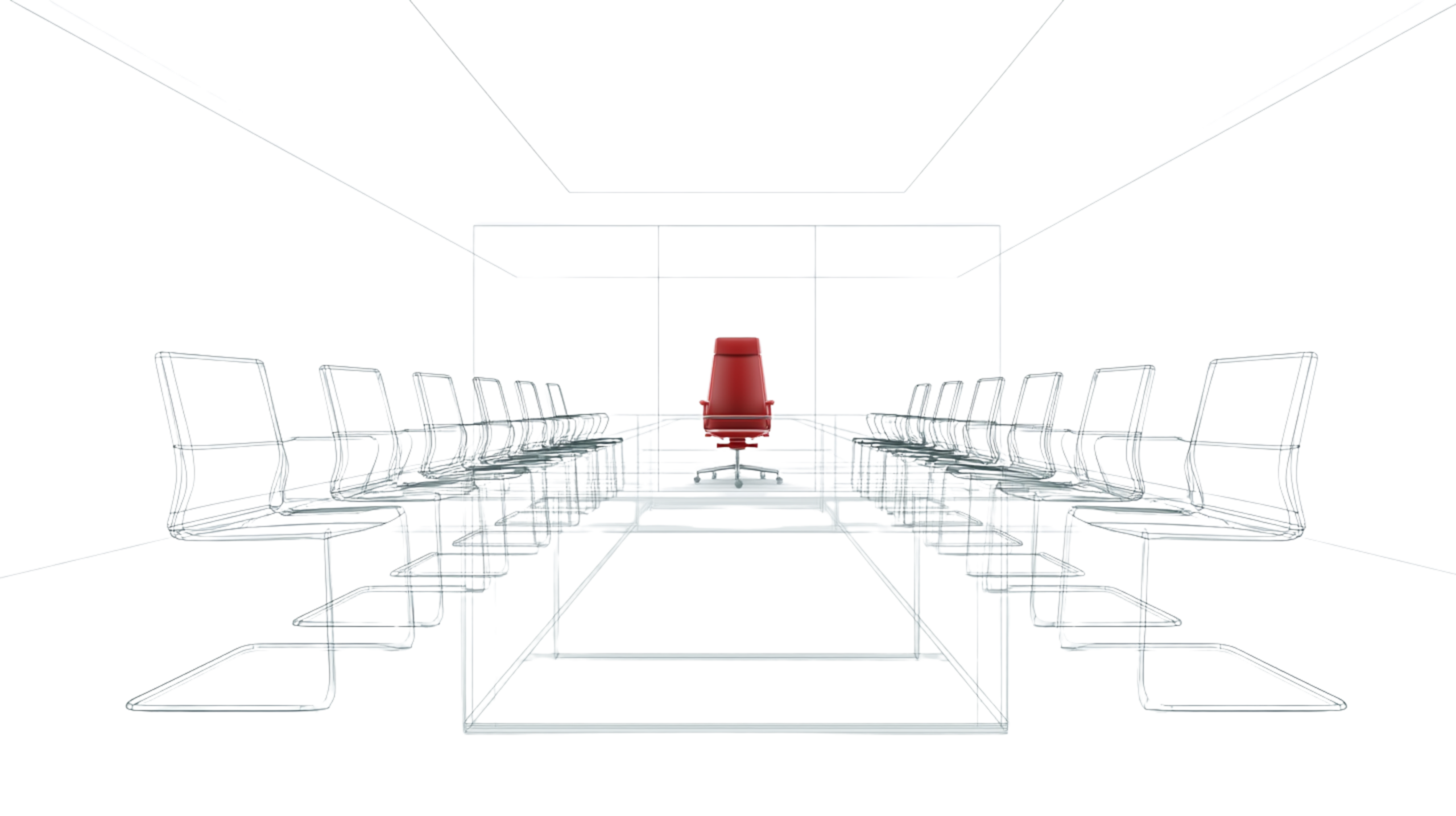
Board members know a polished update is not the same as operational confidence. They can hear when a narrative is well-structured and still sense how much of that confidence has been shaped before it arrived.
That distance is where board risk begins. Not because management is being dishonest. Because transformation visibility is curated by design.
The board sees what has been escalated, summarized, translated, and approved for discussion. By the time updates arrive, friction may have become dependency management, delayed decisions may appear as sequencing, and weak ownership may read as alignment still in progress.
None of those phrases are necessarily wrong. The problem is that they can make real risk sound more manageable than it is.
The board hears the narrative.
The drag is felt somewhere else entirely.
Where the story and the reality diverge
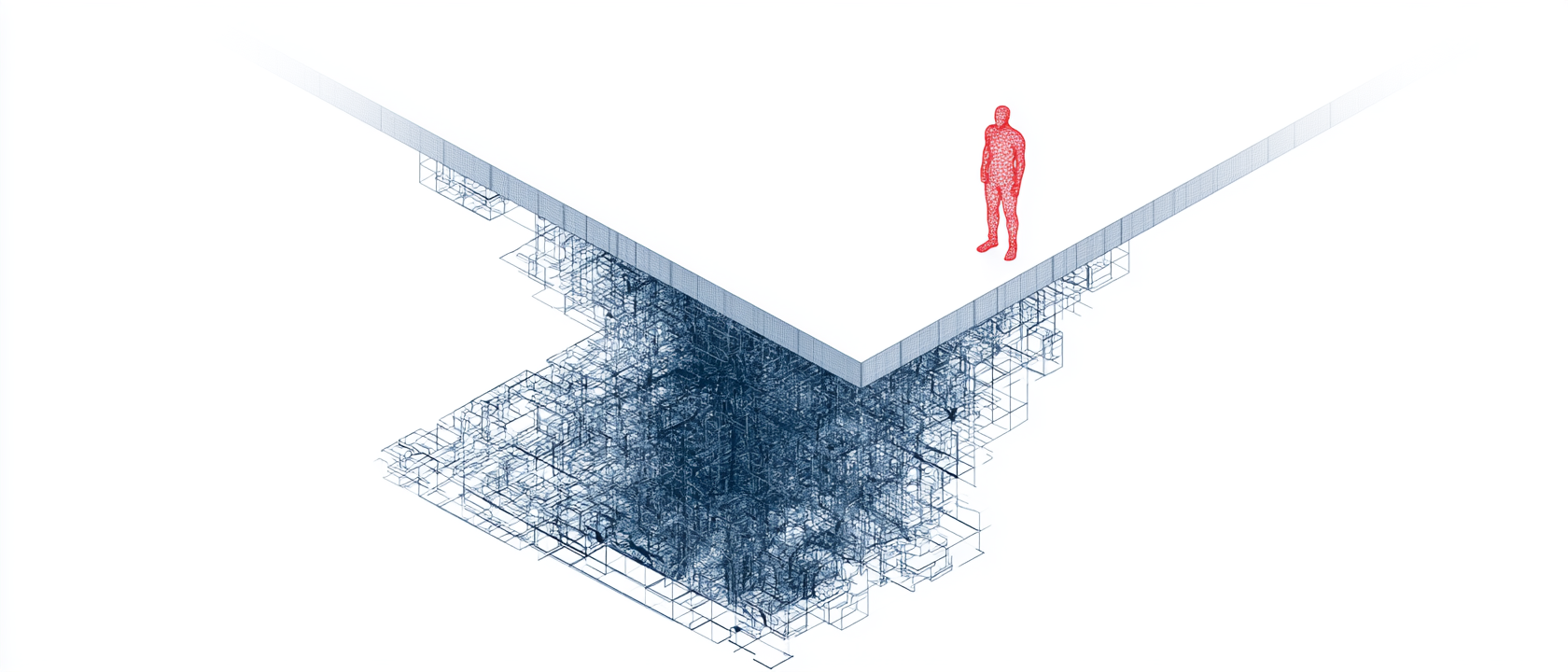
A program can look healthy while operating risk grows underneath it. Milestones move. Workstreams report
green. Investments remain approved. Leaders continue
to express support. The dashboard suggests motion.
Motion is not the same as value.
This is the uncomfortable position directors occupy.
The transformation can appear governed while the conditions required for success are still unstable. That is not a reporting problem alone. It is a risk exposure problem. And it is one that standard oversight structures are not always designed to surface.
Sharper oversight requires different questions:
What curated confidence costs
When the board receives confidence
without enough operating evidence,
risk compounds quietly. Capital
continues to flow, management
reinforces the story, and the
organization reports activity. The
board may not see the drift until
missed value, delayed benefits, cost
overruns, or weakened trust become
harder to explain.
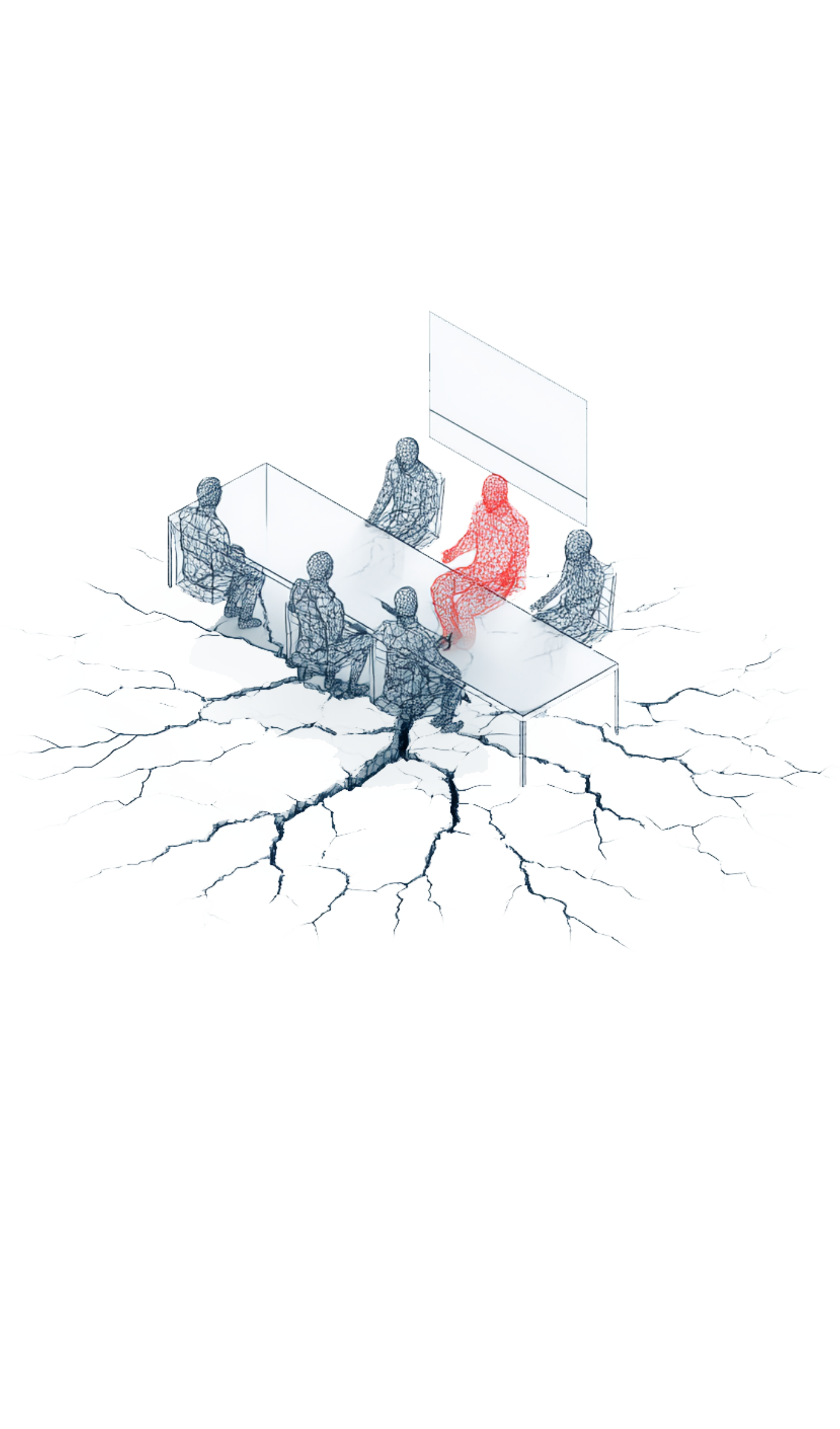
The board does not need to manage the transformation. But it does need enough visibility to know whether management is seeing the real transformation, not just the reported one.
The longer that gap goes unexamined, the more it costs. And by the time the gap becomes visible, the options for addressing it are narrower.
A DIFFERENT CONVERSATION
Board members who sense the distance between the narrative and the operating reality often lack a structured way to close it without appearing to challenge management directly.
Lexico works with boards and leadership teams at exactly this stage: examining whether the transformation story reaching the boardroom reflects the operating reality underneath it, and where confidence may be running ahead of the evidence.
If this feels familiar, it may be
worth a conversation.
Of everything you could be reading right now, this is the one that stopped you.
Because the room keeps saying
the transformation is on track.
And deep down, you know the
story is getting harder to believe.
A BOARD BRIEF
The Reality That
Does Not Reach the Boardroom
The board can only govern what
the system allows it to see.
The confidence that arrives
fully formed
For board members, transformation oversight often begins with a clear narrative.
Management presents the strategy, investment thesis, roadmap, milestones, risks, and expected value. On paper, the program appears under control.
Board members know a polished update
is not the same as operational confidence.
They can hear when a narrative is
well-structured and still sense how much of that confidence has been shaped before it arrived.
That distance is where board risk begins. Not because management is being dishonest. Because transformation visibility is curated by design.
The board sees what has been escalated, summarized, translated, and approved
for discussion. By the time updates arrive, friction may have become dependency management, delayed decisions may appear as sequencing, and weak ownership may read as alignment still
in progress.
None of those phrases are necessarily wrong. The problem is that they can make real risk sound more manageable than it is.
The board hears the narrative. The drag is felt somewhere else entirely.
Where the story and the
reality diverge
A program can look healthy while operating risk grows underneath it. Milestones move. Workstreams report green. Investments remain approved. Leaders continue to express support.
The dashboard suggests motion.
Motion is not the same as value.
This is the uncomfortable position directors occupy.
The transformation can appear governed while the conditions required for success are still unstable. That is not a reporting problem alone. It is a risk exposure problem. And it is one that standard oversight structures are not always designed to surface.
Sharper oversight requires different questions:
What curated confidence costs
When the board receives confidence without enough operating evidence, risk compounds quietly. Capital continues to flow, management reinforces the story, and the organization reports activity. The board may not see the drift until missed value, delayed benefits, cost overruns, or weakened trust become harder to explain.
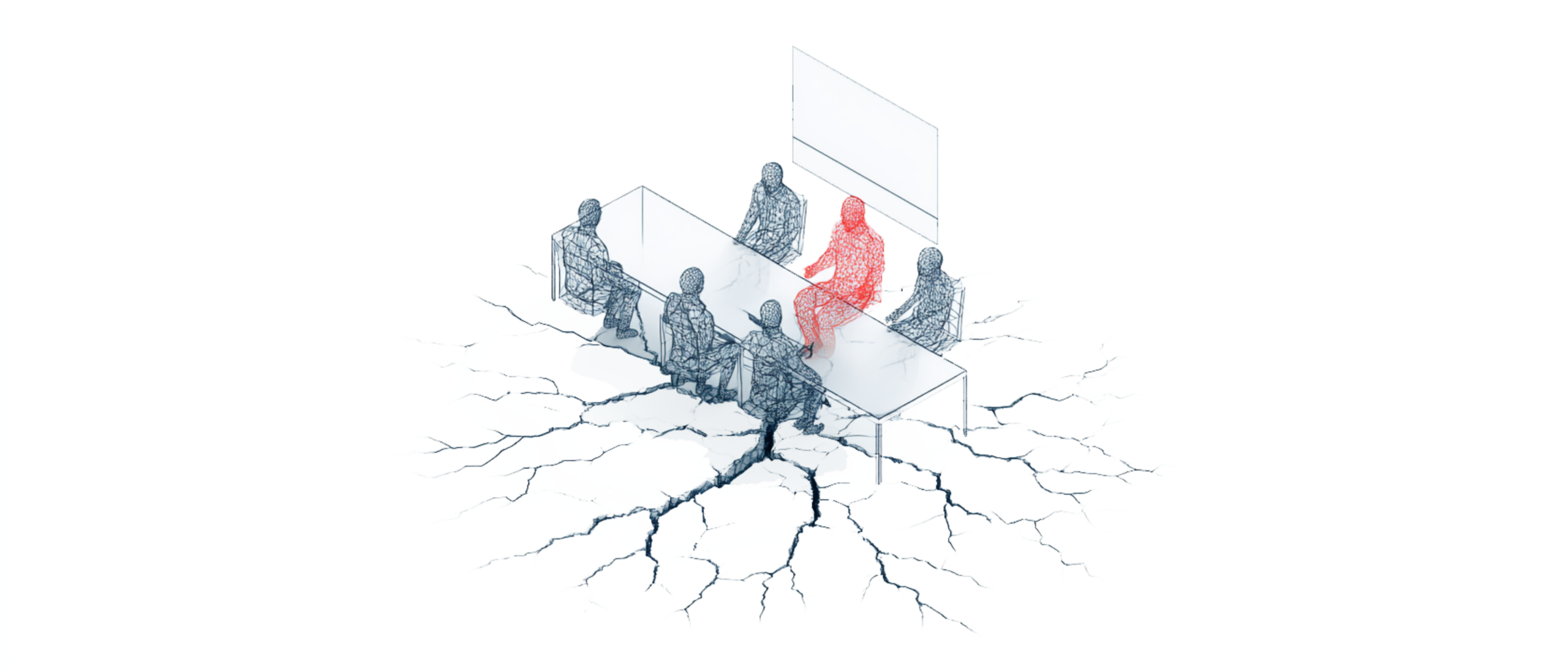
The board does not need to manage the transformation. But it does need enough visibility to know whether management
is seeing the real transformation, not
just the reported one.
The longer that gap goes unexamined, the more it costs.
And by the time the gap becomes visible, the options for addressing it are narrower.
A DIFFERENT CONVERSATION
Board members who sense the distance between the narrative and the operating reality often lack a structured way to close it without appearing to challenge management directly.
Lexico works with boards and leadership teams at exactly this stage: examining whether the transformation story reaching the boardroom reflects the operating reality underneath it, and where confidence may be running ahead of the evidence.
If this feels familiar, it may be worth a conversation.
Let's Talk