
Out of everything competing
for your attention, the topic of
this brief made you take action.
Because the room keeps saying
the transformation is on track.
And deep down, you know
the story is getting harder to believe.
A C-SUITE BRIEF
When Progress Still Sounds Credible
Why transformation drift becomes dangerous,
before it looks broken.
In the boardroom. The meeting just ended
The meeting went well.
That's the part that's hard to explain. Why?
Everyone aligned. The slides landed. People used the words: enterprise value, shared accountability, one team. You said your part. They said theirs. By every measure that ends up in a summary, it was a good day.
You walked out anyway carrying
something you couldn't name.
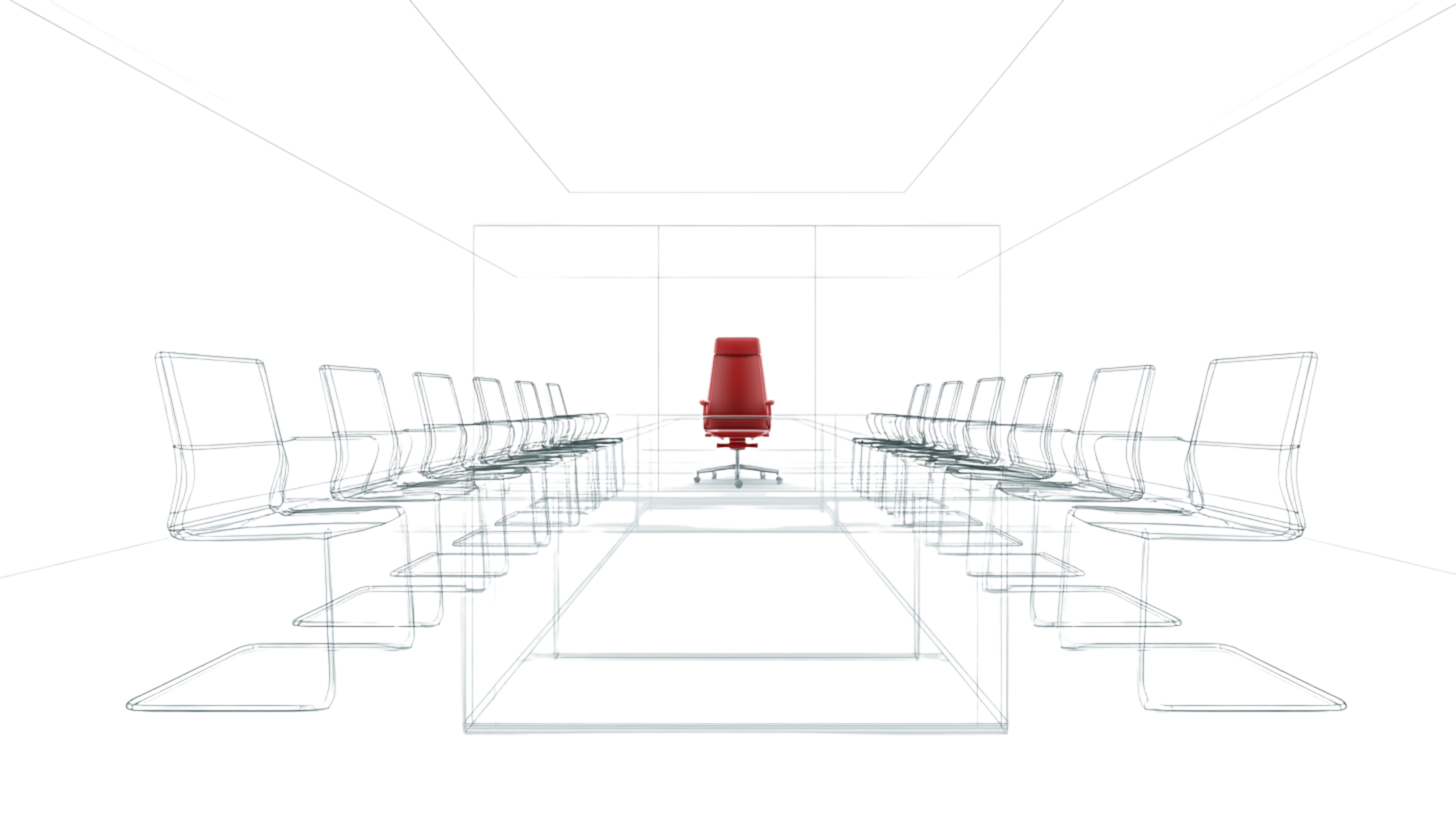
The chair at the head of the table
Here's the math no one does for you.
The board needs you certain. The executive team needs you clear. The organization needs you confident. Everyone in the building is calibrating off your steadiness.
So where, exactly, are you supposed to put the doubt?

You carry it out of the room, down the hall and
home. You set it on the nightstand, and it's still there
in the morning.
Transformation, it turns out, is a remarkably
lonely thing to be sure about.
The things that don't announce themselves
It never announces itself. That's what makes it
hard to fight.
A decision you thought was made comes back for
another round. A priority that was non-negotiable on Monday is suddenly worth sequencing. A leader who
speaks fluent enterprise in the room protects their
function the moment the door closes.
No one is resisting. Everyone is participating. They are
all saying the right things. And still, nothing moves.
The resistance has learned to dress for the occasion. It arrives as caution. As risk management. As "let's get a little more data."
All reasonable. Sometimes all true.
And often, quietly, covering for the one thing no one will say out loud:
I'm with this. Right up until
it costs me control.

Two true sentences
the old terms.
You have a roadmap. You have milestones with owners. You have language that's spread through the whole company. What you don't have yet is a leadership system that's changed enough to carry any of it.
So the program advances and the business stays exactly where it was. Motion. Just not movement.
The office floor, after hours

The bill doesn't arrive all at once. It compounds, quietly.
Decisions that should settle at your level slide down
into program-level firefighting. Trade-offs that belong
in a leadership conversation become someone
else's escalation.
And your middle managers, the ones who actually run
the place, are watching. They've already worked out which priorities are real and which are performative. They've learned what the business will tolerate. They're not cynical. They're just paying attention.
You'll still hit the milestones. You'll still spend the money.
You'll deliver pieces of the thing. What fades is the deeper promise underneath it: faster decisions, real capability,
clear accountability.
You got the motion.
You were promised the movement.
The part you don't get to see
You think you're the only one who feels it. The only one carrying the distance between the story and the reality.
You're not.
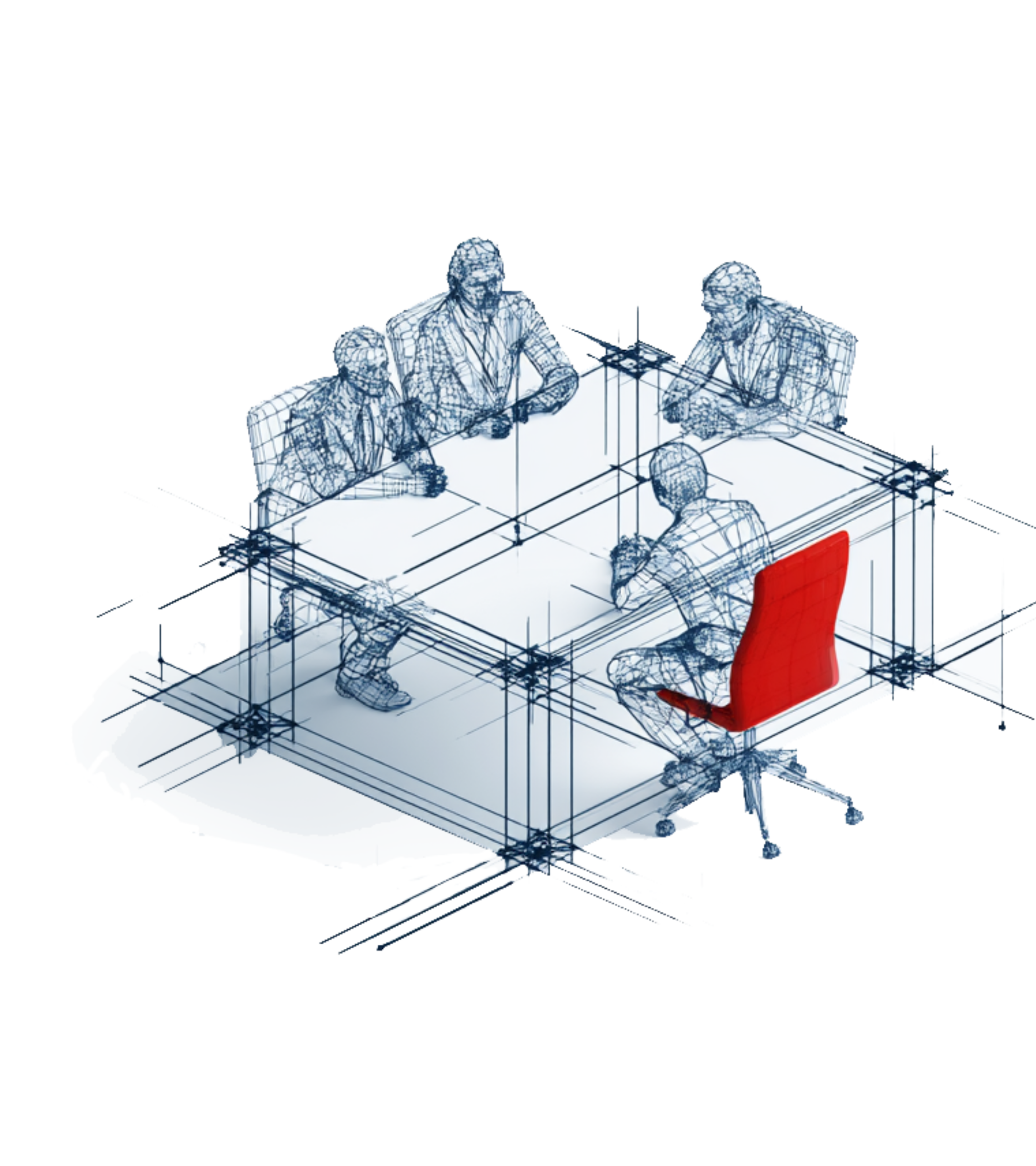
Three doors down, your CFO is doing the same private math, defending a business case they can feel aging, unsure how to reopen the numbers without it looking
like an accusation.
Your technology leader is holding a risk everyone will eventually call a technology problem, even though it
was never theirs to solve alone.
Your board is nodding along to a story that arrived
already polished, sensing the distance in it, with no
clean way to say so.
Four chairs. One room.
The same silence in each of them.
And that shared silence
is what is running
your transformation.
None of those chairs had a villain in it. That's exactly what makes this hard. There's no one to remove, no decision to reverse. Just a leadership system that hasn't caught up to what you've already asked it to do.
That's the work.
Not the roadmap...
The room.
Lexico sits down with leadership teams at precisely this point: when the strategy is sound, the motion is real, and the operating behavior still hasn't changed enough to make either of them pay off.
If this feels familiar, it may be
worth a conversation.
Out of everything competing for your attention, the topic of this brief made you take action.
Because the room keeps saying the transformation is on track.
And deep down, you know the story is getting harder to believe.
A C-SUITE BRIEF
When Progress Still Sounds Credible
Why transformation drift becomes dangerous before it looks broken.
In the boardroom. The meeting
just ended
The meeting went well.
That's the part that's hard to explain
to anyone.
Everyone aligned. The slides landed. People used the words: enterprise value, shared accountability, one team. You said your part. They said theirs. By every measure that ends up in a summary, it
was a good day.
You walked out anyway carrying something you couldn't name.
The chair at the head of the table
Here's the math no one does for you.
The board needs you certain. The executive team needs you clear. The organization needs you confident. Everyone in the building is calibrating off your steadiness.
So where, exactly, are you supposed to put the doubt?
You carry it out of the room and down
the hall and home, and you set it on
the nightstand, and it's still there
in the morning.
Transformation, it turns out, is
a remarkably lonely thing
to be sure about.
The things that don't announce themselves
It never announces itself. That's what makes it hard to fight.
A decision you thought was made comes back for another round. A priority that was non-negotiable on Monday is suddenly worth sequencing. A leader who speaks fluent enterprise in the room protects their function the moment the door closes.
No one is resisting. Everyone is participating. They are all saying the right things. And still. Nothing moves.
The resistance has learned to dress for
the occasion. It arrives as caution. As
risk management. As let's get a little
more data.
All reasonable. Sometimes all true.
And often, quietly, covering for the one thing no one will say out loud:
I'm with this. Right up until it costs me control.

Two true sentences
the old terms.
You have a roadmap. You have milestones with owners. You have language that's spread through the whole company. What you don't have yet is a leadership system that's changed enough to carry any of it.
So the program advances and the business stays exactly where it was.
Motion. Just not movement.
The office floor, after hours
The bill doesn't arrive all at once. It compounds, quietly.
Decisions that should settle at your level slide down into program-level firefighting. Trade-offs that belong in a leadership conversation become someone
else's escalation.
And your middle managers, the ones
who actually run the place, are watching. They've already worked out which priorities are real and which are performative. They've learned what the business will tolerate. They're not cynical. They're just paying attention.
You'll still hit the milestones. You'll still spend the money. You'll deliver pieces of the thing. What fades is the deeper promise underneath it: faster decisions, real capability, clear accountability.
You got the motion. You were promised the movement.
The part you don't get to see
You think you're the only one who feels it. The only one carrying the distance between the story and the reality.
You're not.
Three doors down, your CFO is doing the same private math, defending a business case they can feel aging, unsure how to reopen the numbers without it looking like an accusation.
Your technology leader is holding a risk everyone will eventually call a technology problem, even though it was never theirs to solve alone.
Your board is nodding along to a story that arrived already polished, sensing the distance in it, with no clean way to say so.
Four chairs. One room.
The same silence in each of them.
And that shared silence
is what is running
your transformation.
None of those chairs had a villain in it. That's exactly what makes this hard. There's no one to remove, no decision to reverse. Just a leadership system that hasn't caught up to what you've already asked it to do.
That's the work.
Not the roadmap...
The room.
Lexico sits down with leadership teams at precisely this point: when the strategy is sound, the motion is real, and the operating behavior still hasn't changed enough to make either of them pay off.
If this feels familiar, it may be worth a conversation.
Let's Talk